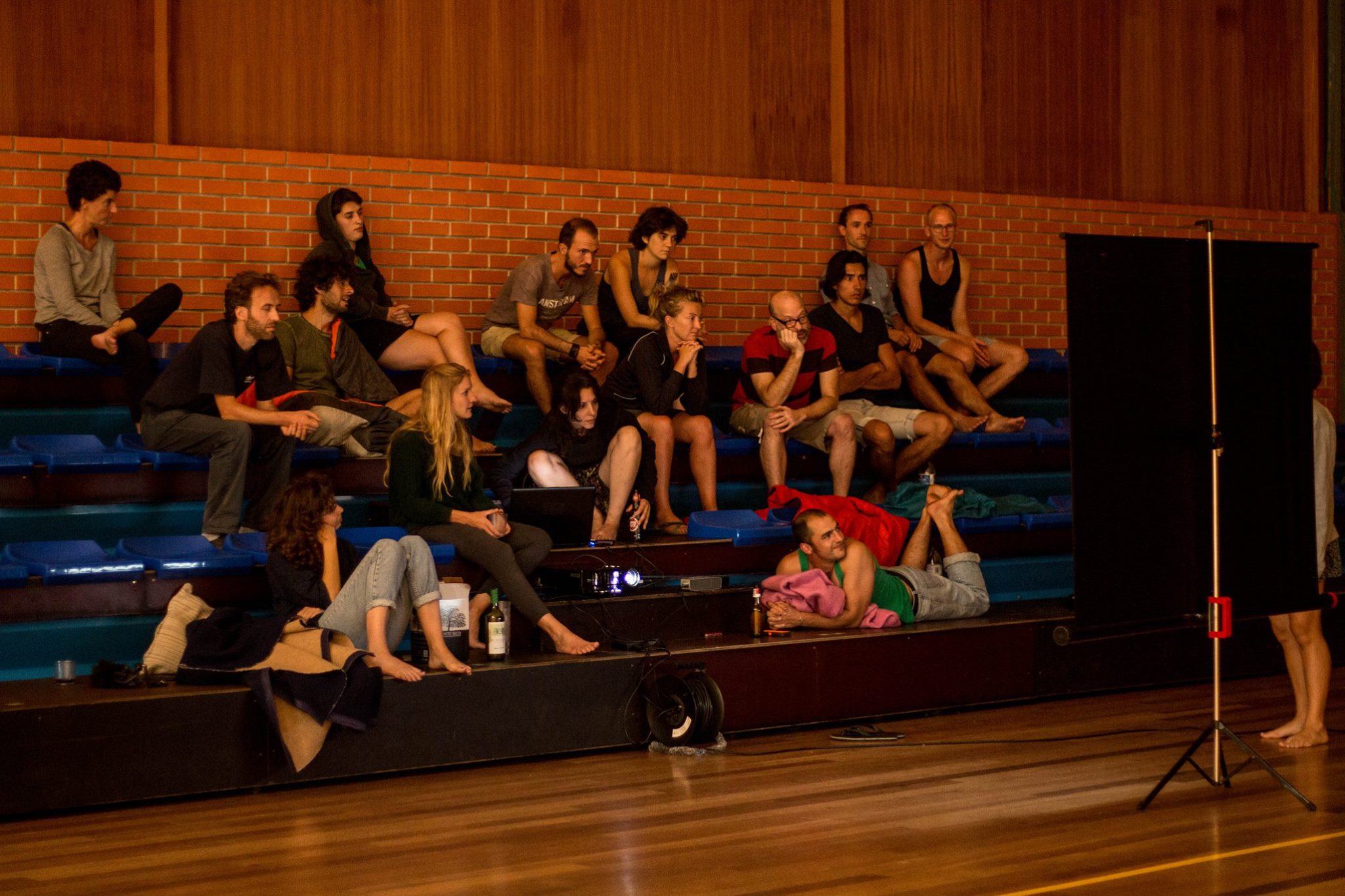
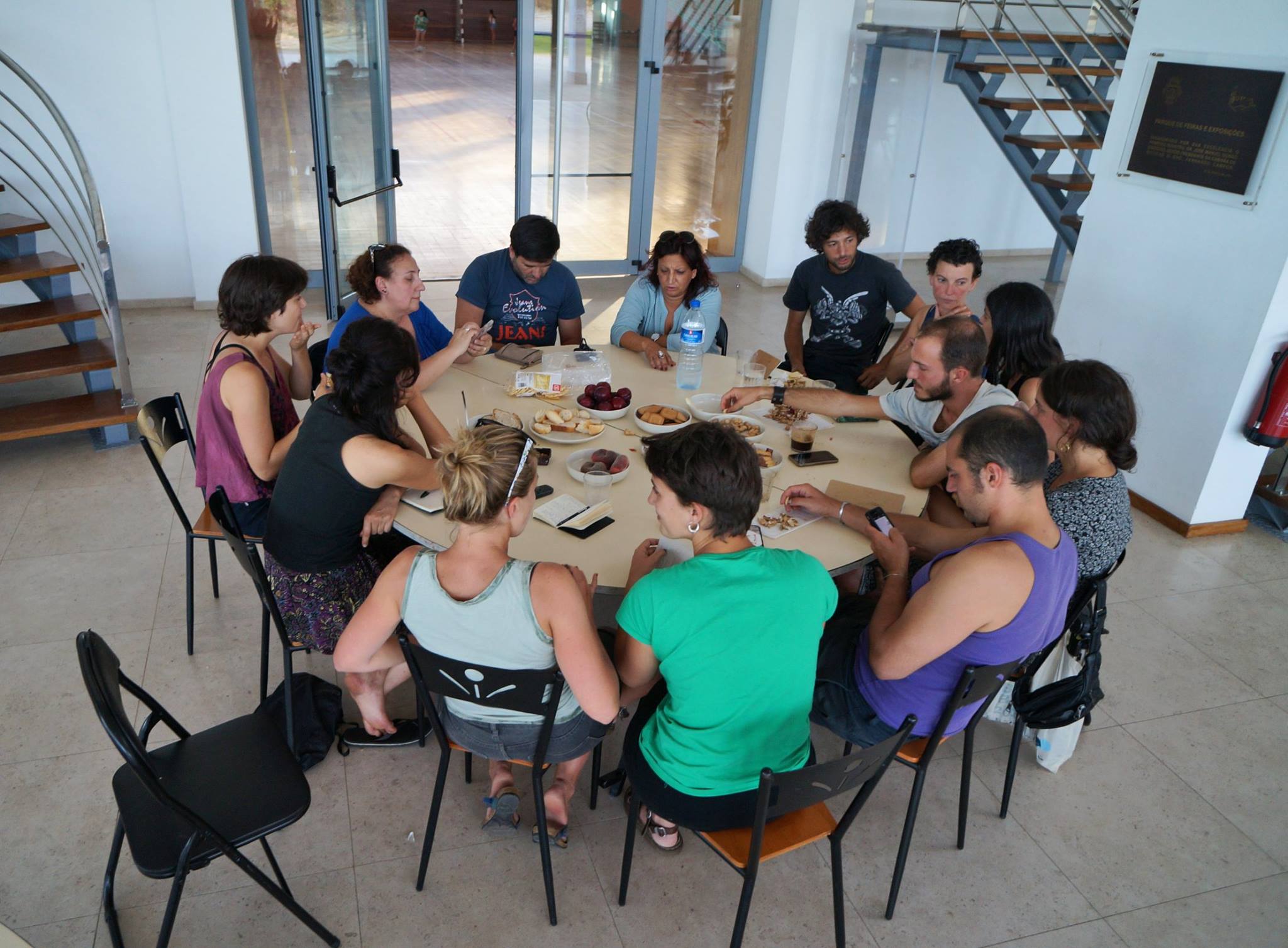
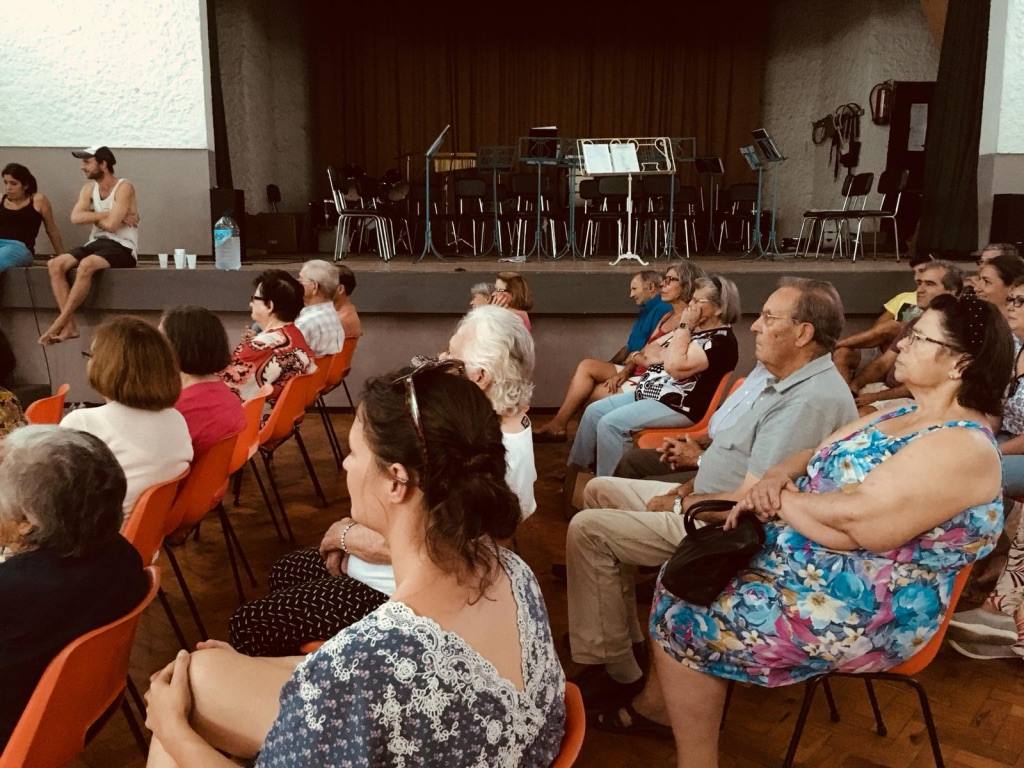
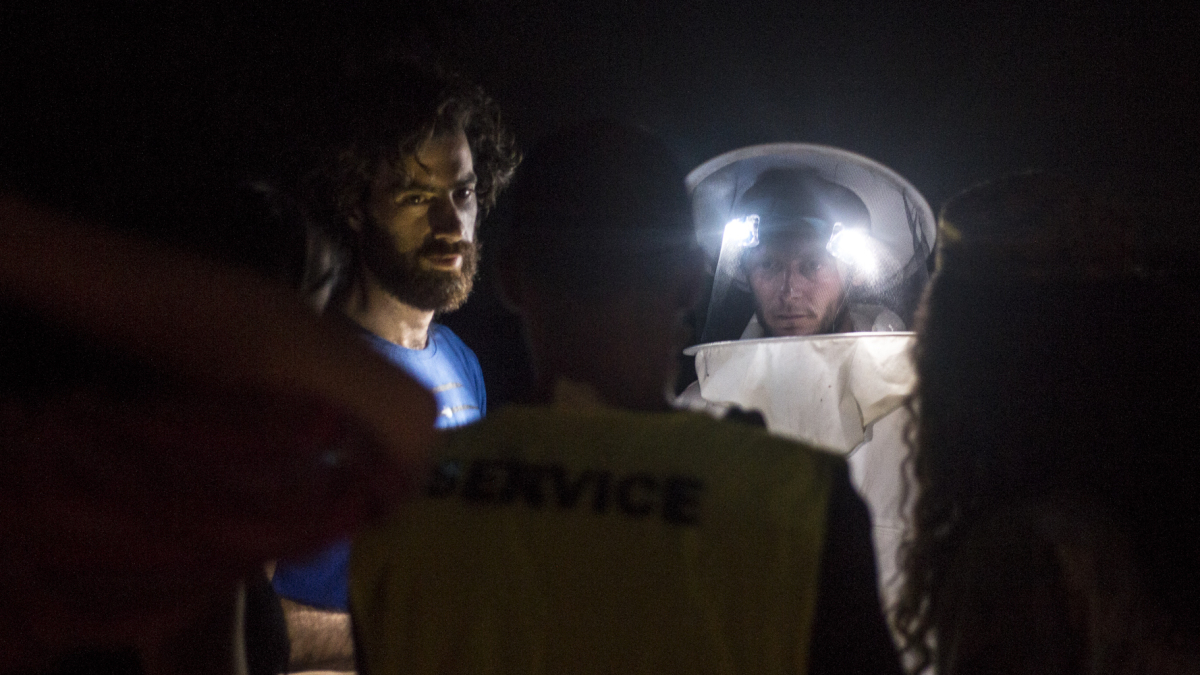
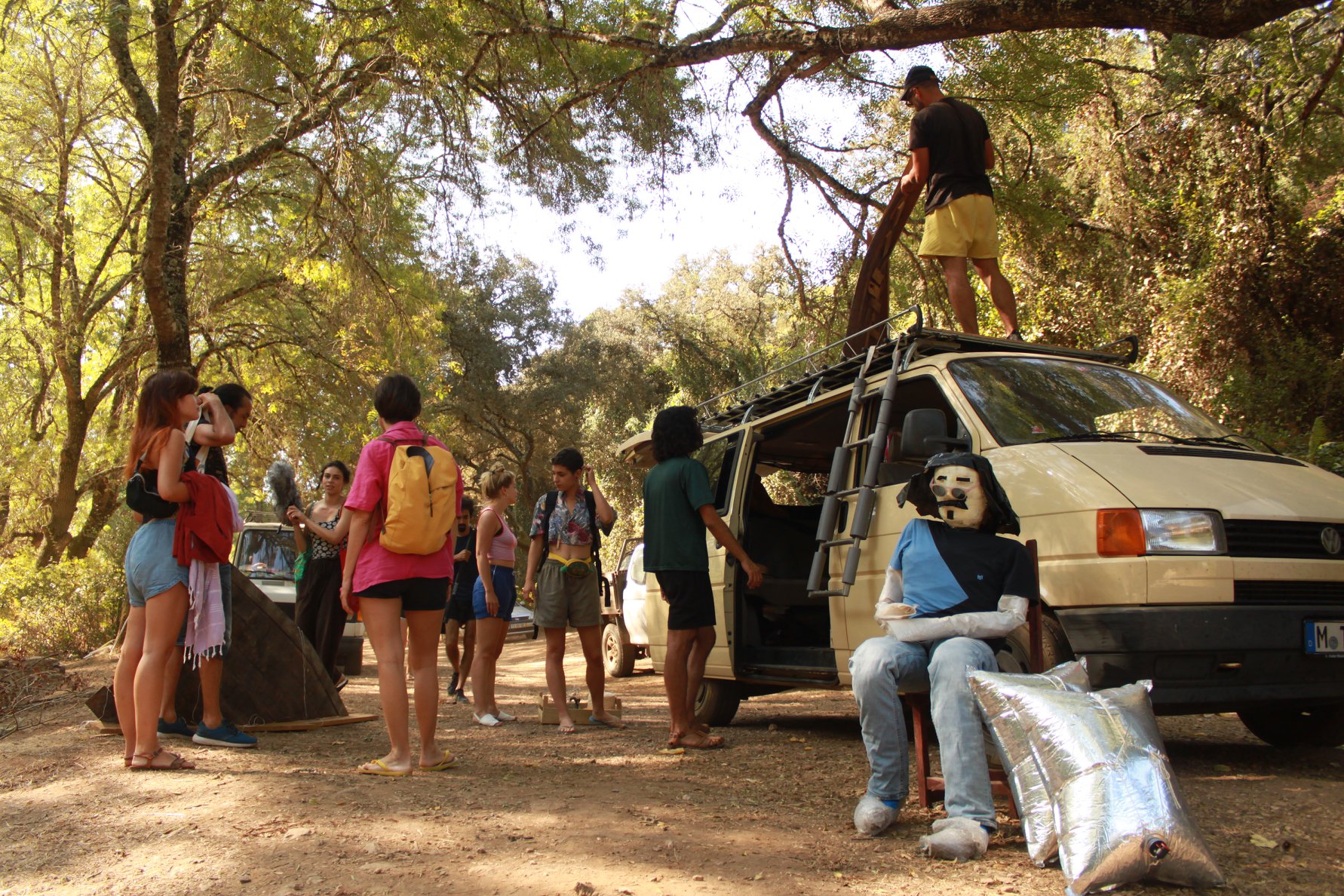
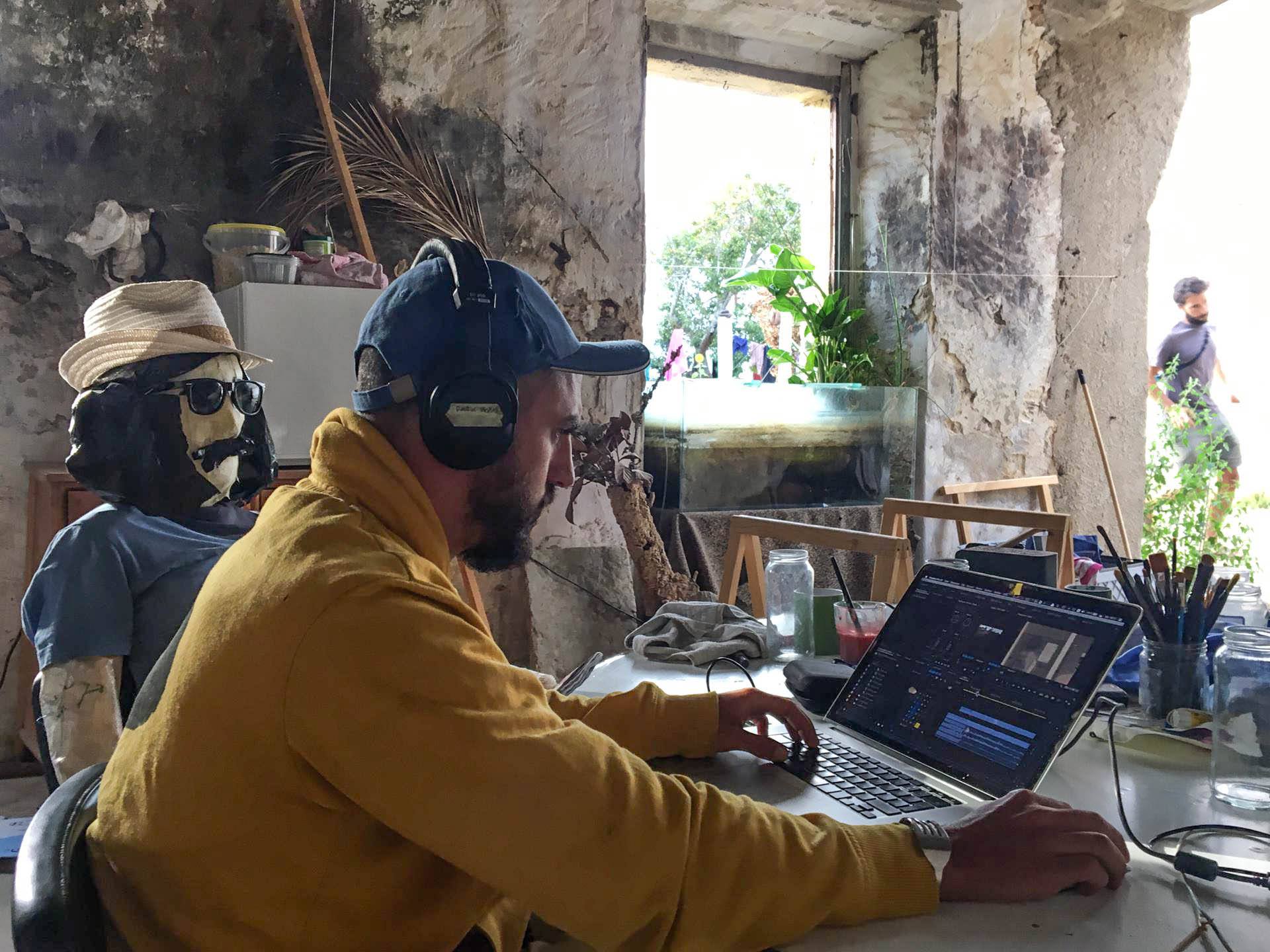
MOVIMENTO is a collaborative film laboratory and residency format initiated in Portugal in 2013 by Patrik Thomas, co-initiated and co-organized with Inês T. Alves, Catarina Simões, and Sebastião Braga. It emerged as a self-organized response to the economic crisis, the shrinking of cultural infrastructures, and the need for collective, low-threshold spaces for artistic production and exchange.
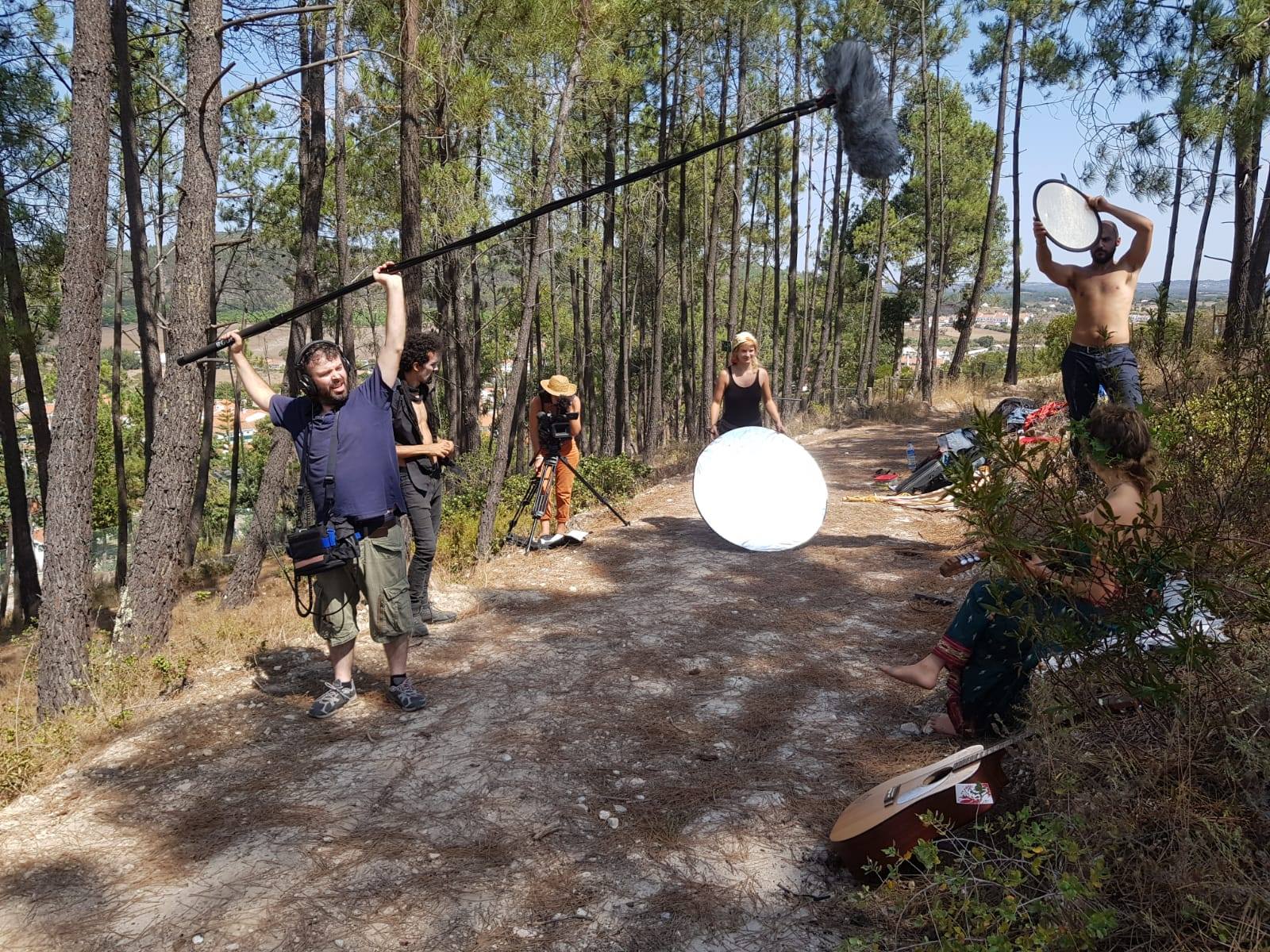
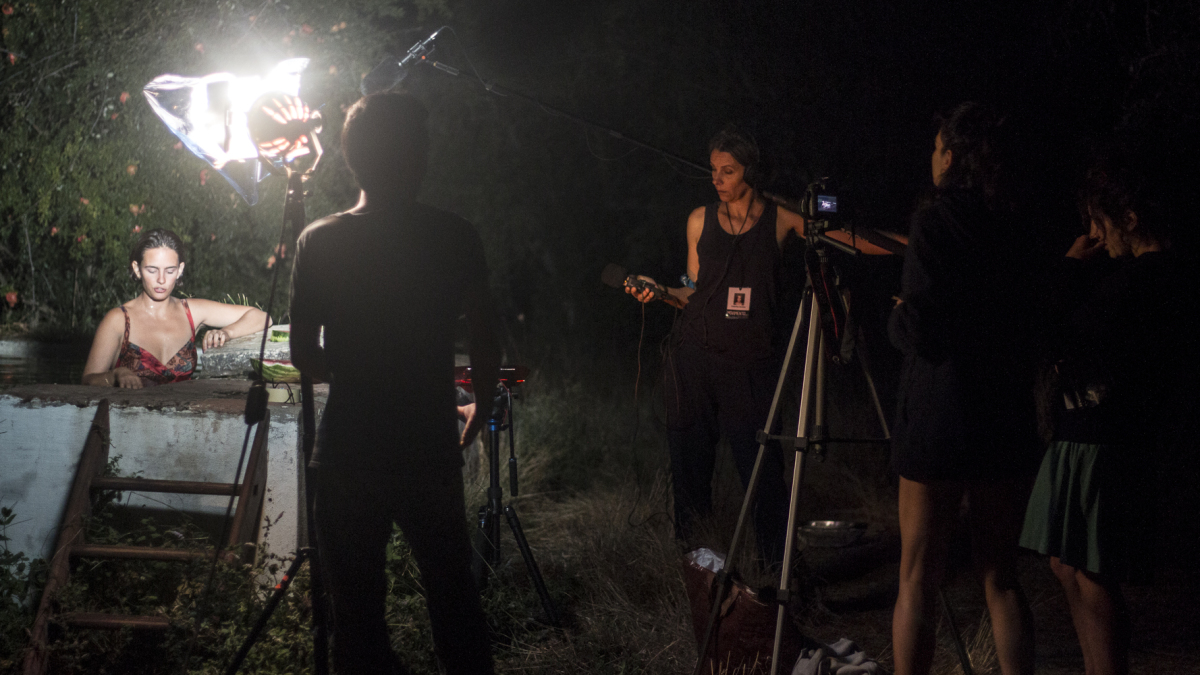
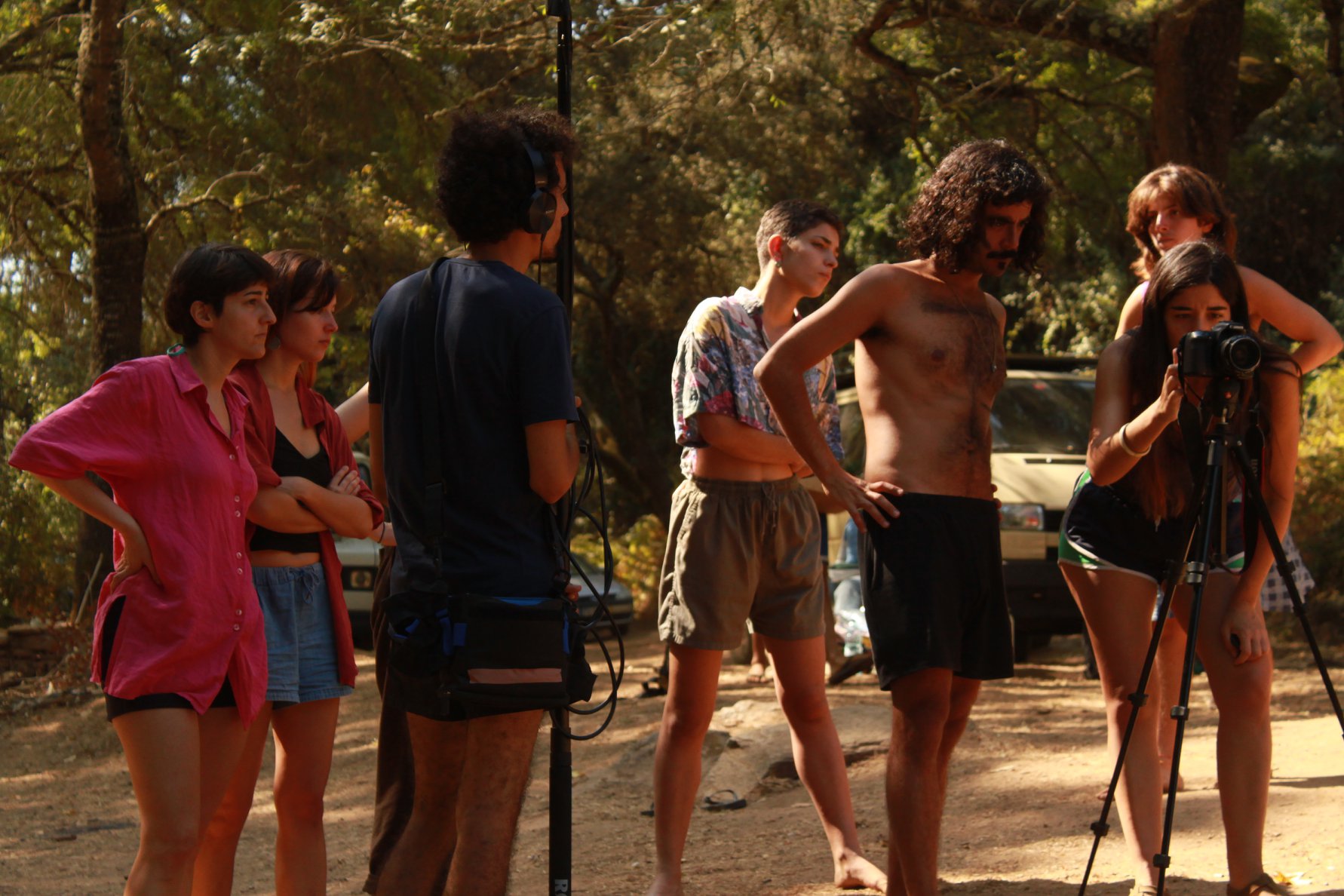
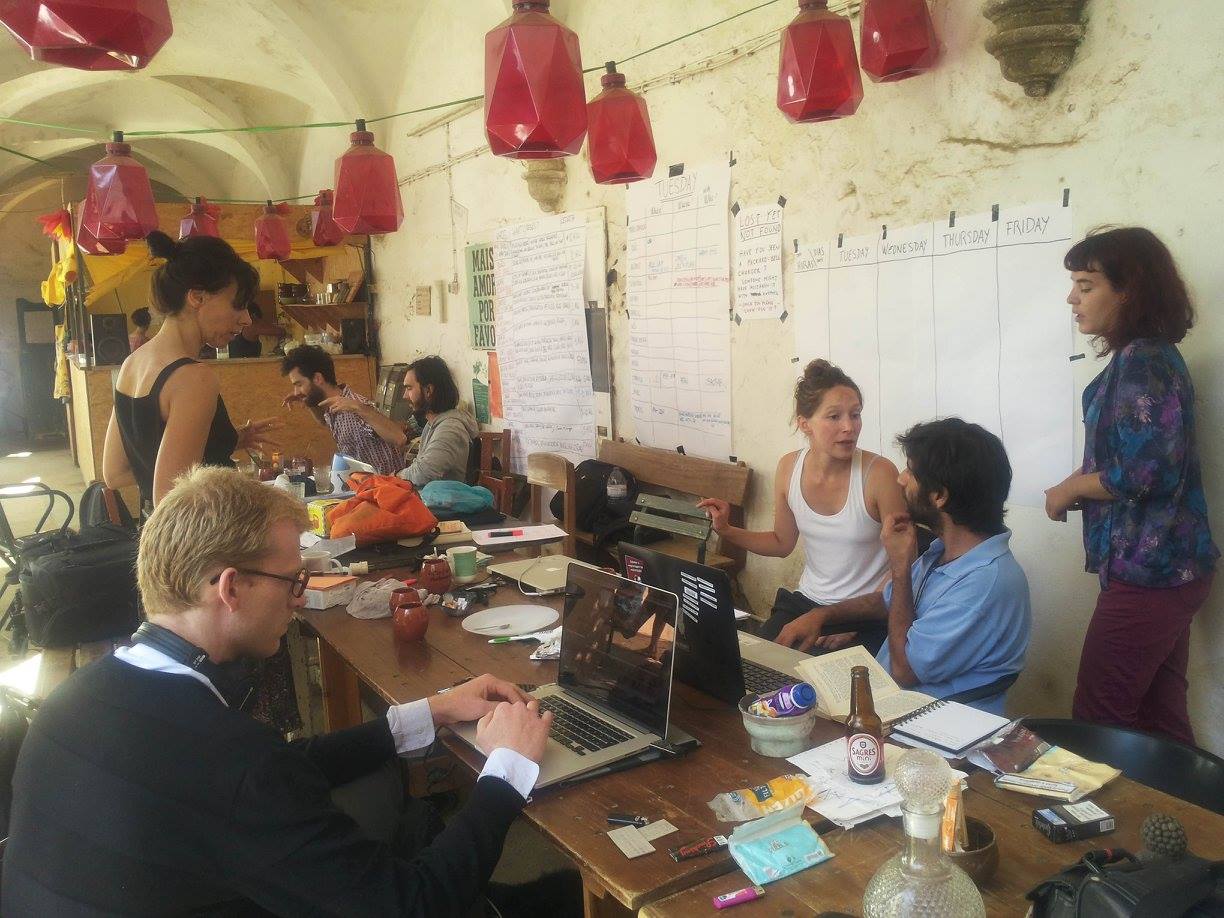
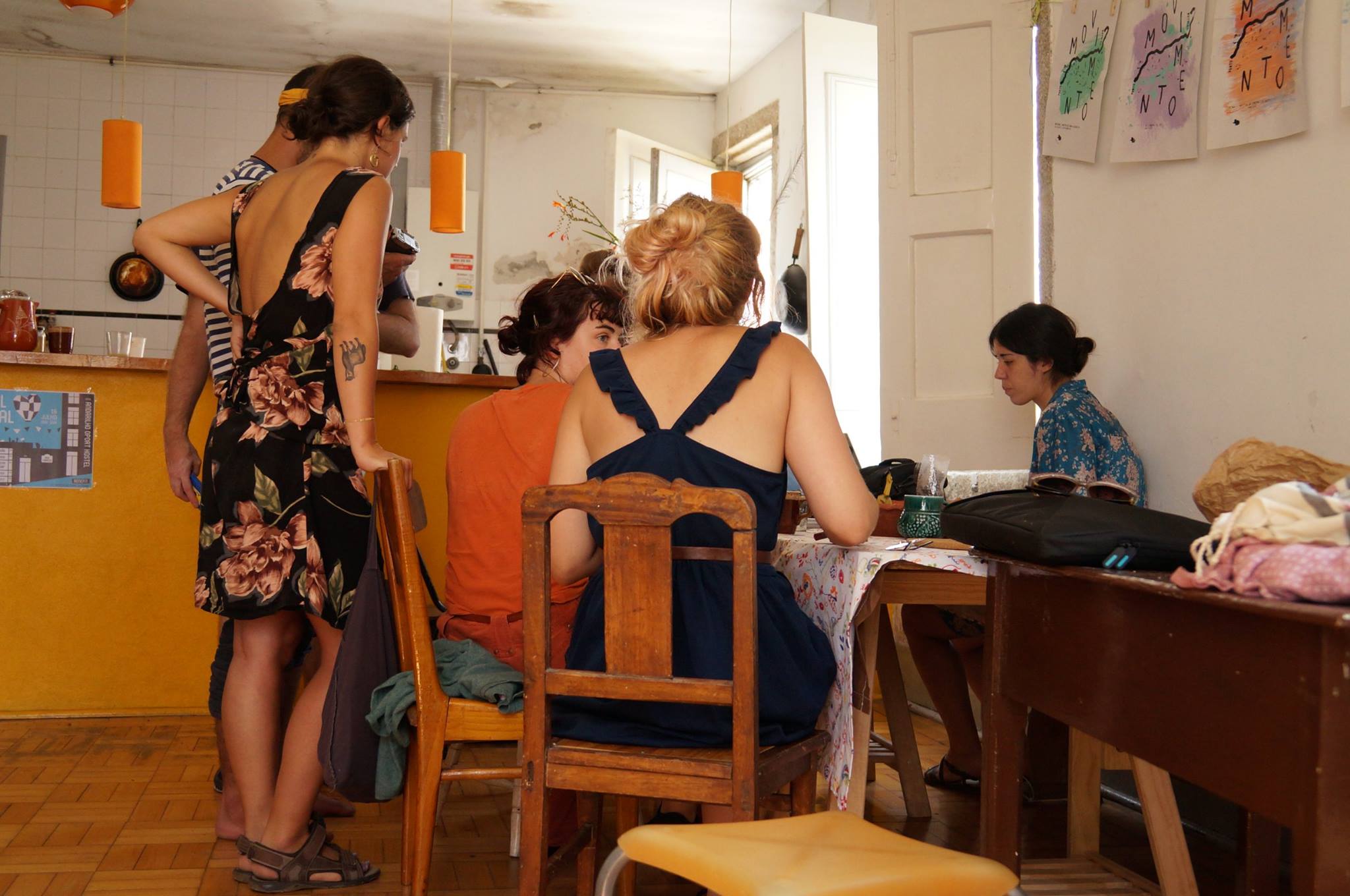
MOVIMENTO functions as a temporary film lab rather than a conventional festival or school. It brings together filmmakers, artists, researchers, and local participants to work collaboratively on film projects, focusing on process-based learning, shared authorship, and experimentation. The laboratory combines practical filmmaking, screenings, discussions, and theoretical input, with a strong emphasis on peer-to-peer knowledge transfer.
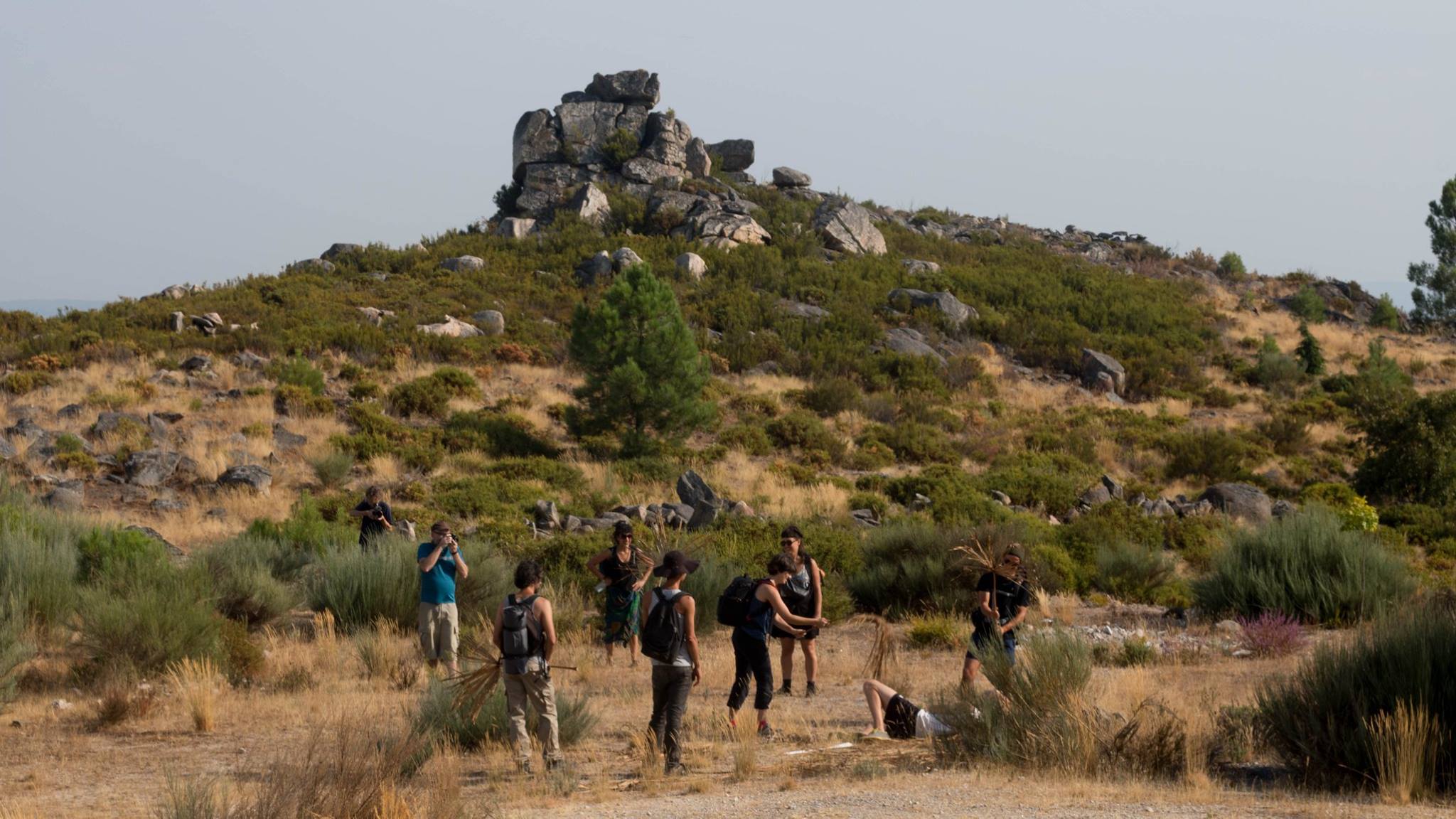
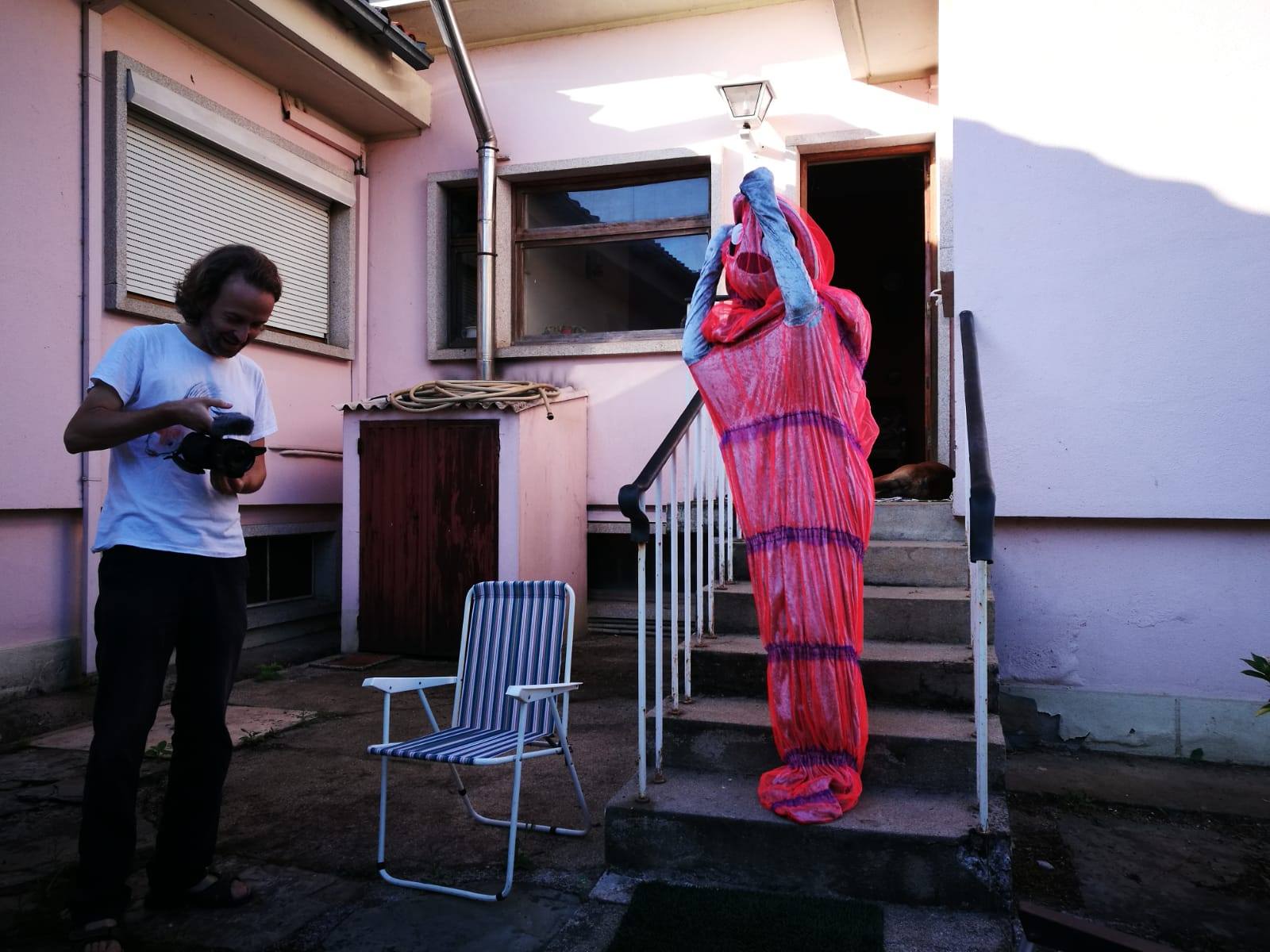
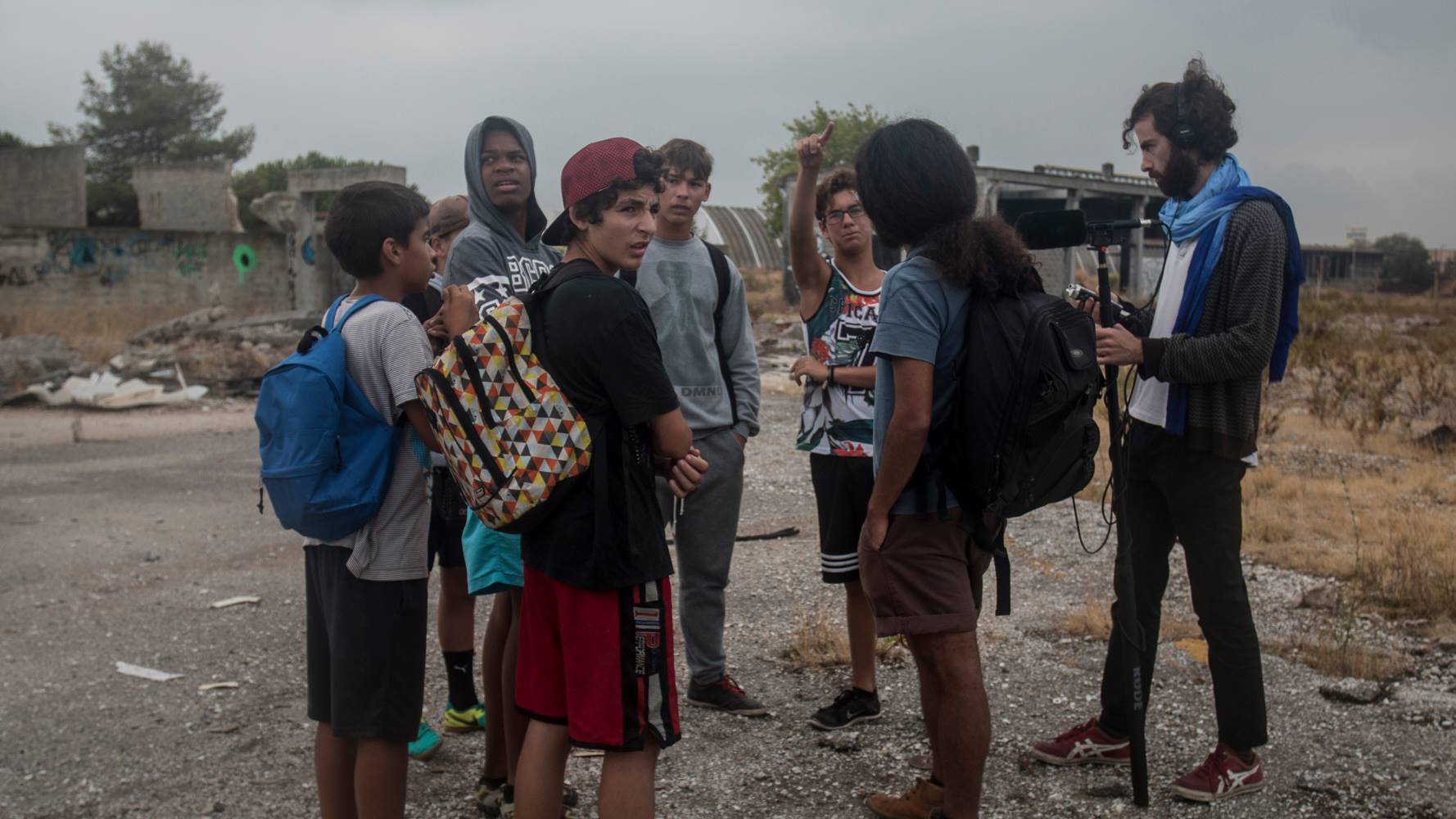
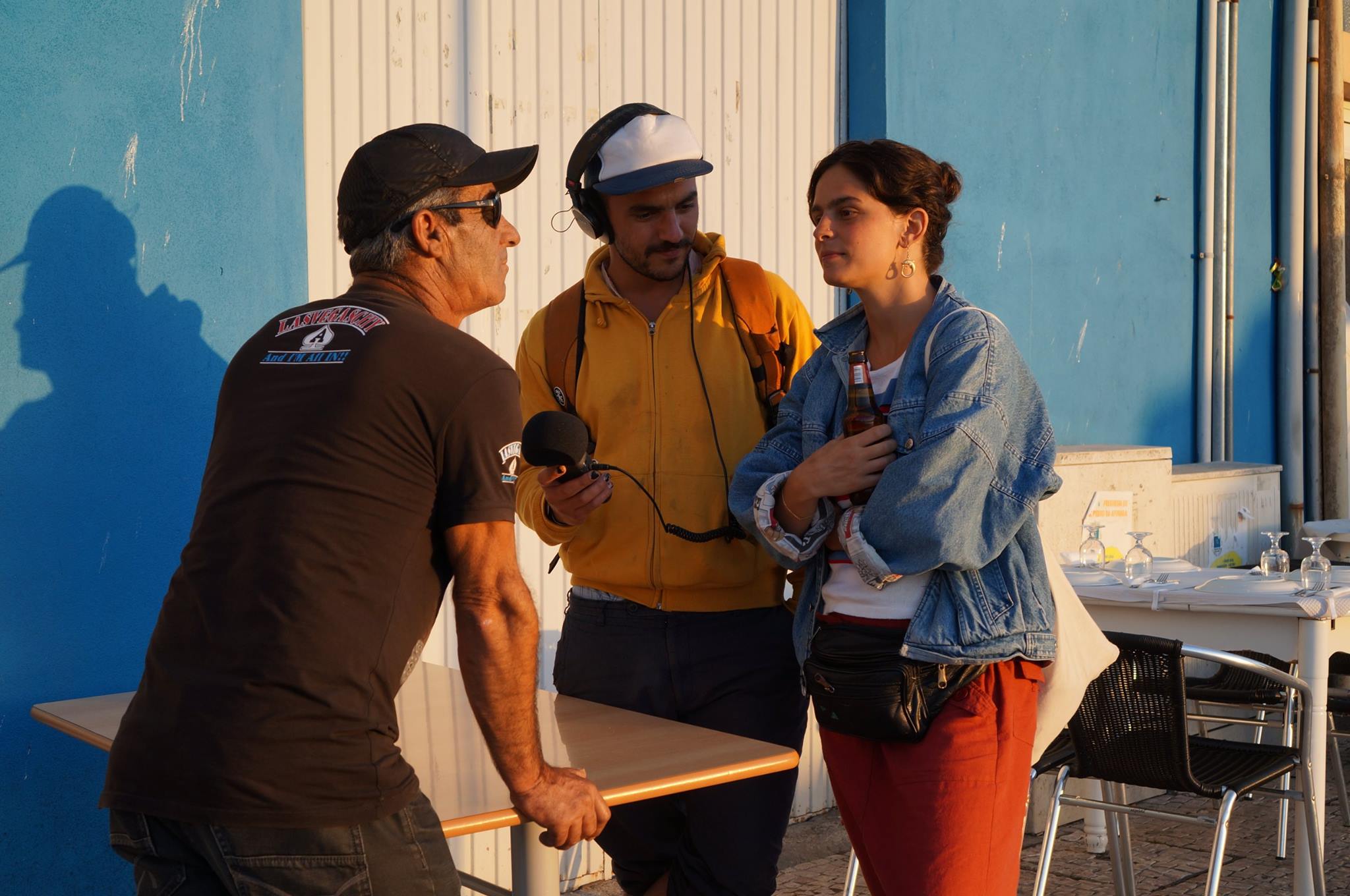
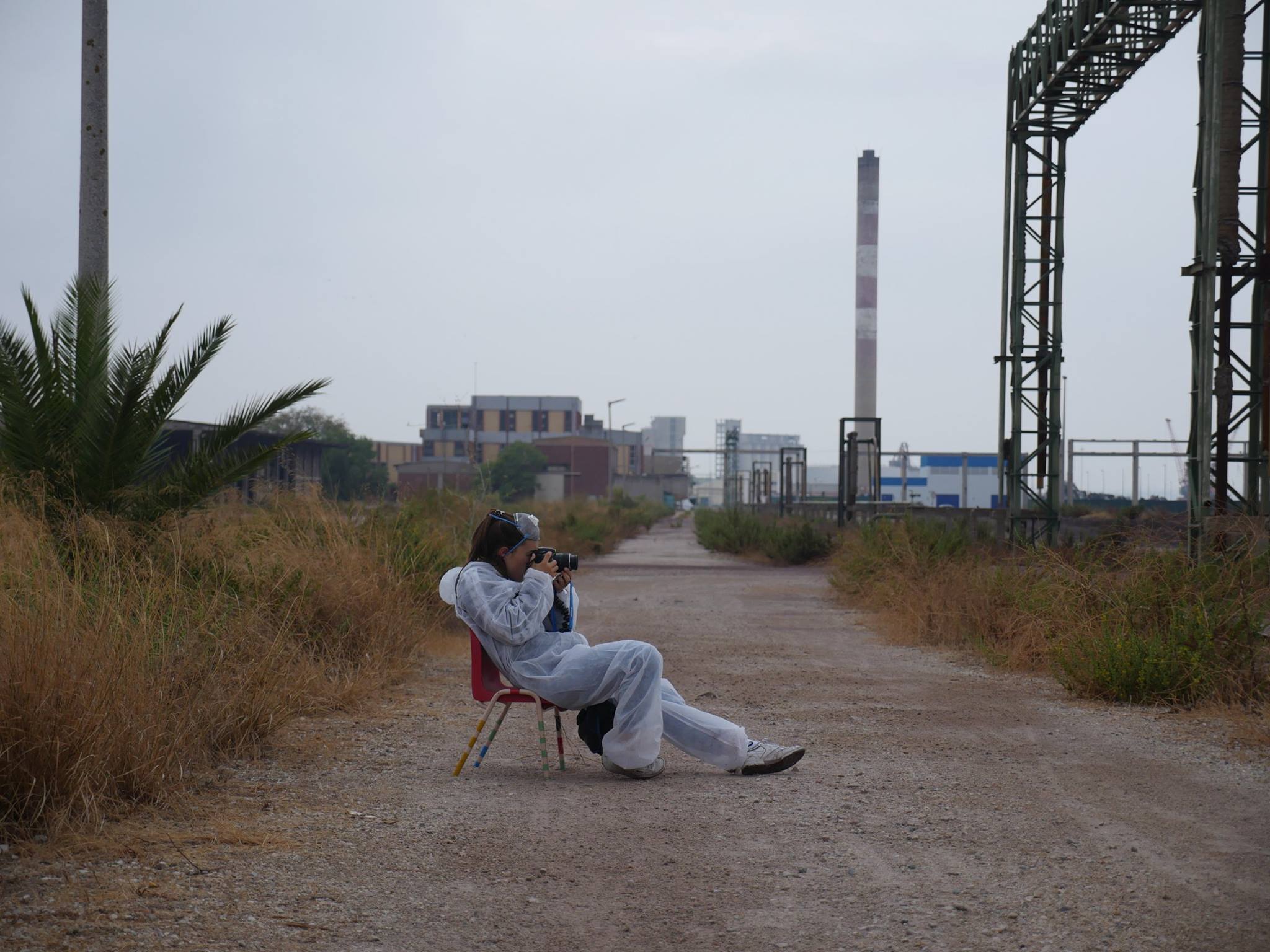
The program is deliberately open and flexible. Participants work with documentary, fiction, and hybrid forms, often responding directly to the local context, its social conditions, and its everyday realities. Production is understood not only as the creation of films, but as a social practice that includes collective research, discussion, and reflection.
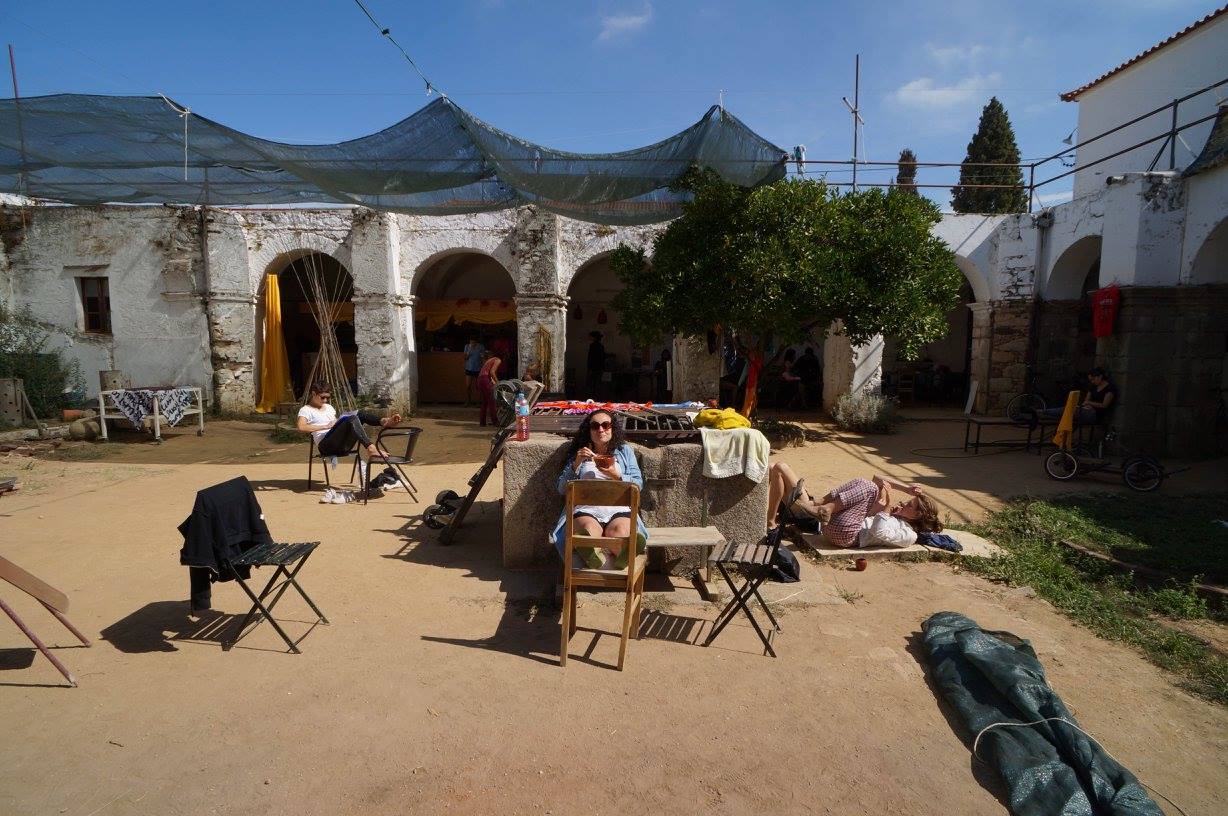
MOVIMENTO places particular importance on accessibility and horizontal structures. It avoids rigid hierarchies between teachers and students, instead fostering a shared working environment in which experience, skills, and perspectives circulate freely. Over the years, the lab has taken place in different locations in Portugal and has grown into an international network of collaborators.
As a long-term project, MOVIMENTO forms the conceptual foundation for later mobile and public-space-oriented works by Patrik Thomas, including CINÉ VÉLO CITÉ and CINEVAN, extending the idea of film as a collective, situated, and socially embedded practice.